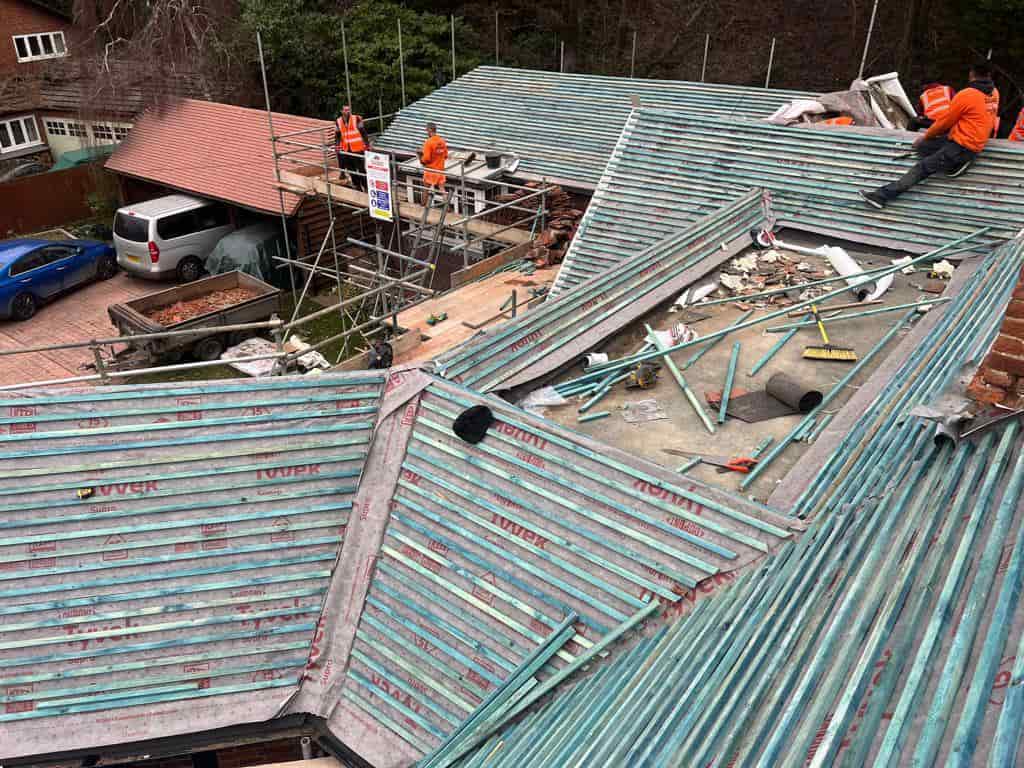
What Can a Routine Roof Inspection Actually Reveal?
A roof can appear perfectly serviceable from ground level while small defects are already developing in less visible areas. Roofing problems rarely need to begin with a dramatic leak or a large section of missing tiles. In many cases, deterioration starts gradually through movement, weather exposure, ageing materials or weaknesses around individual roof details.
This is where a routine roof inspection can be particularly valuable. Rather than waiting for water to enter the property, an inspection provides an opportunity to assess the condition of the roofing system and identify areas that may need attention.
For homeowners in Doncaster, South Yorkshire, EF Roofing Doncaster provides professional roofing inspections and repairs focused on identifying genuine defects and determining the appropriate action before minor deterioration has the opportunity to develop further.
Why Inspect a Roof Before There Is an Obvious Problem?
It is easy to assume that a roof only needs attention when something visibly goes wrong. However, by the time damp appears on a ceiling, the external defect may already have been present for some time.
A routine inspection can reveal changes that are difficult to identify from below, including:
- Slipped or damaged roofing materials
- Early deterioration around flashing
- Loose ridge or hip components
- Problems around valleys
- Wear at roof junctions
- Signs of previous repairs deteriorating
- Potential routes for water ingress
- Areas affected by debris or organic growth
Finding these issues does not automatically mean substantial work is required. Often, the value of an inspection lies in identifying a localised problem while surrounding materials remain sound.
1. Slipped, Cracked or Broken Tiles
Individual tiles can become damaged or move from their intended position without immediately creating an obvious internal leak.
A slipped tile may leave part of the roofing system underneath more exposed to rainfall, while cracking can gradually reduce the effectiveness of an individual component.
An inspection can determine whether damage is limited to a small number of tiles or forms part of a wider pattern.
This distinction matters. A few isolated defects may require straightforward attention, whereas deterioration across numerous tiles can justify a more comprehensive assessment.
2. Early Signs of Water Ingress
Water ingress is not always immediately visible inside living areas.
Depending on the roof construction and the location of the defect, moisture may first affect areas within the roof space.
Where accessible, signs can include:
- Water staining
- Damp patches
- Moisture around roof timbers
- Marks on the underside of roofing components
- Evidence of water travelling from another location
Identifying these signs can provide useful clues about defects that have not yet produced an obvious ceiling leak.
3. Deteriorating Lead Flashing
Flashing protects vulnerable areas where roof surfaces meet walls, chimneys and other features.
These junctions deserve careful attention because relatively small defects can create potential routes for rainfall.
An inspection may identify flashing that has become displaced, damaged or deteriorated before the problem develops into more noticeable water ingress.
Importantly, damp inside the property may not appear directly beneath defective flashing. Water can travel after entering the roofing system, making professional diagnosis particularly useful.
4. Ridge and Hip Deterioration
Ridges and hips occupy some of the most exposed positions on a pitched roof.
Routine inspection can reveal movement, deterioration or damaged components that may not be obvious when viewed from the garden or driveway.
Early attention is useful because already weakened materials can become increasingly vulnerable during strong winds and prolonged poor weather.
Where problems are identified, the surrounding areas should also be considered rather than treating the visible defect in isolation.
5. Problems Developing Around Roof Valleys
Roof valleys perform an important drainage function by carrying rainfall from adjoining roof slopes.
Because substantial amounts of water can pass through these areas, deterioration deserves attention.
An inspection can reveal issues such as debris accumulation, surrounding tile damage or deterioration within the valley itself.
Keeping these areas functioning effectively helps rainfall follow its intended route rather than finding weaknesses elsewhere in the roof.
6. Defects Around Chimneys and Other Junctions
The point where a chimney meets the roof can contain several components that need to work together.
An inspection may reveal deterioration involving:
- Flashing
- Mortar
- Nearby roofing materials
- Junction details
- Previous repair areas
A leak near a chimney should not automatically be attributed to one particular component. Examining the complete area provides a better chance of identifying the true source.
7. Evidence That a Previous Repair Needs Attention
Professional roof repairs can remain effective for many years, but repaired sections still form part of a roof that continues to experience normal weather exposure and ageing.
A routine inspection can assess whether previous work remains sound and whether materials surrounding it have changed.
This can be especially useful on older roofs containing several repaired areas.
If new deterioration is developing beside previous work, addressing it early may help prevent the affected section from becoming more extensive.
8. Debris That Is Interfering with the Roof
Leaves, twigs, moss and other material can accumulate around valleys, junctions and drainage areas.
Debris does not automatically mean that the roof is damaged, but significant accumulation can make it more difficult for water to move freely and can conceal the condition of roofing materials underneath.
Routine inspection can identify areas where debris is becoming problematic and reveal whether deterioration has developed beneath or around it.
9. Flat Roof Surface Deterioration
Where a property includes a flat roofing section, routine inspection can be particularly useful for monitoring changes to the surface.
Potential concerns can include:
- Cracking or splitting
- Damaged joints
- Deteriorating edges
- Changes around penetrations
- Persistent areas of standing water
The important point is not simply to identify what is visible, but to understand why the change has occurred and whether it is affecting the performance of the roof.
10. Signs That Several Small Problems Are Connected
Perhaps one of the most valuable things an inspection can reveal is the bigger picture.
A homeowner may be aware of one slipped tile or an occasional damp mark without realising that other areas of the roof are also beginning to deteriorate.
When several defects are found, a professional roofer can consider whether they are unrelated maintenance issues or evidence of broader deterioration.
This helps determine whether individual repairs remain appropriate or whether the roof needs a more comprehensive approach.
Can an Inspection Reveal Why a Leak Keeps Returning?
Often, this is one of the most useful reasons to inspect the wider roof.
Recurring leaks can be difficult to diagnose because the location where damp appears indoors may not correspond with the point where rainfall enters externally.
Water can travel along underlay, timbers and other roofing components before becoming visible.
A proper assessment therefore considers potential entry points, the surrounding roofing condition and internal evidence where accessible.
This approach is considerably more useful than repeatedly assuming the problem must be directly above the damp patch.
Can a Roof Look Fine but Still Need Repairs?
Yes. Some roofing defects are difficult to see from ground level.
A small displacement, deteriorating junction or developing crack may not noticeably change the overall appearance of the roof. The first visible warning sign might otherwise be water ingress following particularly heavy rainfall.
This does not mean homeowners should expect every inspection to uncover problems. A routine assessment may simply confirm that the roof remains in serviceable condition.
The purpose is to understand its condition rather than assume repairs are always necessary.
Does an Inspection Mean Work Will Definitely Be Required?
No.
A professional roof inspection should establish what the roof actually needs.
If the covering and relevant details remain in sound condition, extensive work should not be necessary simply because an inspection has taken place.
Where defects are found, the appropriate response depends on their extent. Localised deterioration may only require targeted repairs, while widespread problems may justify consideration of more extensive roofing work.
The inspection provides the information needed to make that distinction.
Why Routine Inspections Can Support Preventative Maintenance
Reactive roofing work begins once a problem has already become noticeable. Preventative maintenance aims to identify deterioration earlier.
The benefit is particularly clear where a minor defect can be corrected before it affects surrounding materials.
For example, addressing an isolated displaced tile or developing flashing defect may help maintain the weather resistance of an otherwise serviceable roof.
Routine inspections therefore provide an opportunity to make informed maintenance decisions rather than waiting until every roofing issue becomes urgent.
When Is a Roof Inspection Particularly Worth Considering?
Although roofs can be assessed whenever there is concern about their condition, an inspection can be especially useful when:
- A roof has experienced particularly poor weather
- Damp has appeared inside the property
- Tiles or other materials appear displaced
- A leak keeps returning
- The roof contains several previous repairs
- Visible deterioration has developed
- The condition of an older roof is uncertain
- Several roofing problems seem to be occurring together
The objective is to establish what is happening before deciding what work, if any, should follow.
Professional Roof Inspections in Doncaster
A useful roof inspection should do more than identify obvious damage. It should consider how the different parts of the roofing system are performing and whether individual defects could affect surrounding areas.
At EF Roofing Doncaster, we provide professional roofing inspections and repairs throughout Doncaster, South Yorkshire. Our approach focuses on assessing the actual condition of the roof, identifying the cause of developing problems and recommending appropriate work where it is needed.
Whether an inspection identifies one localised defect or signs of wider deterioration, understanding the condition of the complete roofing system provides a much better starting point for dependable maintenance.
Conclusion
A routine roof inspection can reveal considerably more than missing or broken tiles. It can identify early water ingress, deteriorating flashing, problems around valleys and chimneys, weakened ridge or hip details, flat roof deterioration and changes around previous repairs.
Just as importantly, an inspection can help determine whether individual defects are genuinely isolated or part of a wider pattern.
For homeowners in Doncaster, South Yorkshire, EF Roofing Doncaster can professionally assess the condition of your roof and identify areas that may require attention. If you are uncertain about the condition of your roofing or have noticed early warning signs, arranging an inspection can provide a clearer understanding of what is happening before a small problem has the opportunity to become more extensive.
Call us on: 01302 490 886
Click here to find out more about EF Roofing Doncaster
Click here to complete our contact form and see how we can help with your roofing needs.