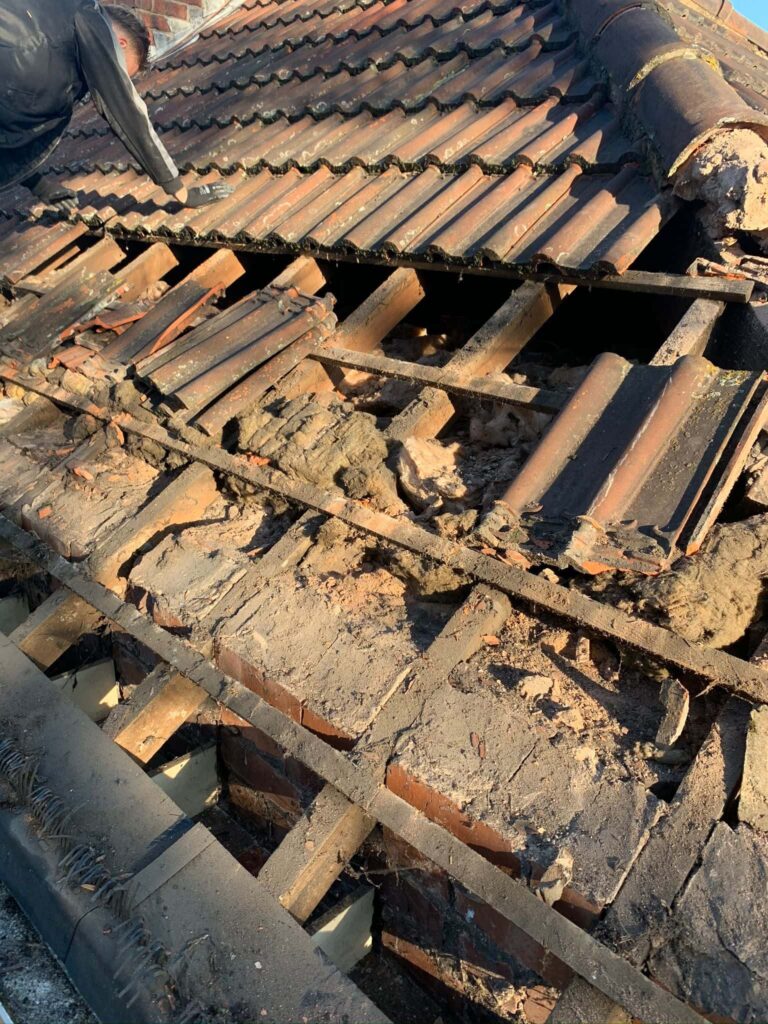
One Slipped Tile Can Open the Door to Major Repairs
A single slipped roof tile may seem like a minor issue, yet it can quickly lead to far more serious problems if left unaddressed. In Doncaster, South Yorkshire, roofs are regularly exposed to wind, rain and seasonal temperature changes, all of which can cause tiles to shift over time. What begins as a small displacement can compromise the roof’s ability to protect the property, allowing water and cold air to penetrate the structure.
Understanding why a slipped tile should never be ignored helps homeowners take timely action and avoid unnecessary disruption.
Why a slipped tile is more serious than it appears
Roof tiles are designed to work together as a protective system. When even one tile moves out of place, the layers beneath are exposed to the elements. This can allow moisture to enter areas of the roof that are not designed to cope with direct exposure.
Once water finds a way in, it rarely stays in one place. It can travel along timbers and membranes, causing damage well beyond the original point of entry.
How a single slipped tile can lead to wider damage
Water ingress and internal damp
A slipped tile creates a direct path for rainwater to reach the underlay and roof structure. Over time, this moisture can lead to damp patches on ceilings or walls, often some distance from the original fault.
Left unresolved, persistent moisture can affect insulation performance and internal finishes, making the problem more extensive.
Deterioration of roof timbers and materials
Timber elements within the roof are particularly vulnerable to prolonged exposure to moisture. Even a small leak caused by a slipped tile can gradually weaken these components, reducing the roof’s overall strength and stability.
Other materials, such as underfelt and fixings, may also deteriorate once they are repeatedly exposed.
Increased risk during poor weather
Once a tile has slipped, surrounding tiles may also become more vulnerable, especially during strong winds or heavy rainfall. This can accelerate the problem, turning a single displaced tile into a larger area of damage.
In Doncaster, where weather conditions can change quickly, early intervention is essential to prevent escalation.
Common causes of slipped tiles
Slipped tiles can occur for several reasons, including:
- Natural wear of fixings over time
- Strong winds loosening tiles
- Minor roof movement as buildings settle
- Previous repairs that have not fully secured surrounding tiles
Regardless of the cause, prompt professional assessment is key to preventing further issues.
The value of early professional repair
Addressing a slipped tile early allows the issue to be resolved quickly and with minimal impact on the rest of the roof. Professional roofers can secure the affected area, check surrounding tiles and ensure the roof covering is fully restored.
At EF Roofing Doncaster, slipped tiles are inspected and repaired with care and attention to detail, helping homeowners in Doncaster protect their properties from avoidable damage.
Conclusion
One slipped tile may appear insignificant, but it can open the door to major repairs if ignored. From water ingress and material deterioration to increased vulnerability during bad weather, the risks can escalate quickly.
If you have noticed a slipped or missing tile on your roof in Doncaster, South Yorkshire, acting promptly can make all the difference. Contact EF Roofing Doncaster to arrange a professional inspection and ensure your roof remains secure, weather-resistant and fit for purpose.
Call us on: 01302 490 886
Click here to find out more about EF Roofing Doncaster
Click here to complete our contact form and see how we can help with your roofing needs.